





How to elope: What most couples get wrong + How to plan it right
Most couples start planning their elopement by searching for a location.
They scroll through Instagram, save places on Pinterest, and keep opening new tabs trying to find the one spot that feels right.
And if you’ve been doing that, you’ve probably already realized something:
There are a lot of beautiful places out there…and narrowing it down isn’t as simple as it seems.
It can quickly turn into hours of research, comparing locations, second-guessing decisions, and still not feeling confident that what you’re choosing will actually work for the day you’re envisioning.
It’s easy to assume that once you find the right place, everything else will fall into place.
But here’s what you need to know:
Choosing a beautiful location isn’t enough.
Most couples start there.
And it’s exactly where things begin to go wrong.
Designing a meaningful elopement experience is what most couples don’t even realize they need to think about yet—and it’s where things either come together beautifully… or eventually fall apart.
After planning and photographing over 100 elopements across the Southeast, the Blue Ridge Mountains, and Colorado too… we’ve seen the same pattern over and over again: couples start with a vision, but they don’t yet know what’s actually possible, or how all the pieces fit together.
This guide will walk you through how elopements actually work; so you can avoid the common pitfalls and create a day that feels intentional, relaxed, and genuinely meaningful.
How to Elope (Quick Overview)
If you’re looking for a simple breakdown, here’s how to elope:
- Decide what kind of experience you want (i.e. build the vision first – don’t skip this!)
- Set your guest count, budget, and planning window
- Choose a location that supports your vision
- Secure permits, vendors, and lodging
- Create a timeline that allows space—not pressure
- Show up and experience the day fully
We’ll walk through each of these in more detail below—and show you where most couples get stuck or go wrong along the way.
Why Elopements Don’t Work Like Traditional Weddings
Traditional weddings are built around a venue.
Once you choose a location, everything else tends to fall into a familiar structure—getting ready, ceremony, reception, timeline, vendors. Even if couples don’t consciously think about it this way, there’s an underlying script that everyone is following.
The venue knows the flow.
The vendors know the flow.
The photographer knows the flow.
It’s a system that’s been repeated thousands of times, and once you book a venue, you’re essentially stepping into that structure.
Without realizing it, many couples carry that same expectation into planning an elopement.
They assume that once they find the right place, the rest of the day will naturally come together in a similar way.
But elopements don’t work like that.
There’s no built-in flow with elopements—you have to create it.
There’s no built-in flow. No preset timeline. No invisible script holding everything together.
Instead, your day is made up of multiple moving pieces:
- where you get ready
- where your ceremony happens
- where you explore and take photos
- how you move between locations
- how much time you spend alone vs with others
- what experiences you choose to include along the way
In many ways, planning an elopement is less like organizing an event and more like designing a meaningful experience—something closer to planning a trip of a lifetime than following a traditional wedding timeline.
That flexibility is what makes elopements so meaningful.
But it also means that without intentional structure, things don’t just “fall into place.” They start to feel disjointed, rushed, or harder than they need to be.

The Biggest Mistake Couples Make
Most couples assume that once they’ve found the right location, everything else will fall into place.
And to be fair, that makes sense.
Most people are used to how traditional weddings work—even if they know they don’t want one. There’s a built-in structure: you book a venue, and everything else follows a familiar flow. So without realizing it, couples carry that same expectation into planning an elopement.
They do the research. They scroll through Instagram, search on Google, save locations, and eventually land on a place that feels right.
And it feels like the biggest hurdle is behind them.
But this is where things often start to go wrong.
Because your elopement isn’t defined by one place.
It’s defined by how your entire day is designed around that place—and everything else that needs to work alongside it.
The biggest mistake? Choosing your location first.
Most couples think location is the starting point. In reality, it’s one of the last decisions.
We’ve seen couples fall in love with locations they discovered online… only to realize later that the reality doesn’t match what they imagined.
- A mountaintop view that requires a long or difficult hike, making it unrealistic for guests
- A scenic overlook with incredible views—but very limited space or heavy crowds
- A waterfall that looks private in photos, but is actually one of the busiest spots in the area
- A location that’s beautiful from one angle, but doesn’t offer much variety for photos or time spent there
We’ve also seen couples book an Airbnb expecting it to function like a venue—without realizing that they’ll be responsible for coordinating everything themselves, from logistics to vendors to the overall flow of the day.
None of these are bad ideas on their own.
They just don’t work unless the plan around them supports them.
And that’s the piece most couples haven’t been shown yet—how to think about their elopement as a whole, rather than a collection of individual decisions.
What Actually Creates a Great Elopement
The best elopements aren’t built around a location.
They’re built around an experience.
A great elopement isn’t just about where you go—it’s about how everything works together.
And that experience is shaped by a few key decisions—ones that most couples don’t realize they need to make until they’re already deep into planning.
1. How you want your day to feel
Before anything else, it’s worth asking:
What do you actually want this day to feel like?
Do you want something quiet and private?
Adventurous and immersive?
Or something shared with your closest people?
And even more than that—what actually fits you?
Are you more introverted or extroverted?
Do you have a limited social battery and need space to recharge?
Do you want time alone together to be fully present and real with each other?
Do you feel most at peace in quiet, natural settings—or energized by being around people?
Some couples want a day that’s almost entirely private.
Others want to include family, but still protect space for just the two of them.
Some want a blend—time together, time with loved ones, a sense of adventure, and moments of stillness throughout the day.
There’s no one right answer.
But this is where your day actually starts—not with a location, but with a clear understanding of what kind of experience will feel most like you.
And speaking of how the day feels, attire is a huge part of staying comfortable. You’ll want to check out our Guide on What to wear for your elopement.
2. How much time you give yourself
This is one of the biggest mindset shifts with elopements.
In traditional weddings, more time usually means more things being packed into a schedule.
With elopements, it’s the opposite.
The more time you give yourself, the slower and more relaxed the experience becomes.
More time allows you to:
- move between locations without rushing
- pause and actually be present
- spend unstructured time together or with your people
- experience different environments throughout the day
Instead of filling every moment, you’re creating space for things to unfold naturally.
It’s less like following a timeline… and more like the rhythm of a really meaningful day together—where there’s room to explore, sit, talk, take it all in, and let moments happen instead of forcing them.
3. Who you include
Adding guests changes everything—not just logistically, but in the overall feel of your day.
It’s not just a numbers decision. It’s an experience decision.
There’s a very real shift that happens between:
- just the two of you
- including parents
- including immediate family
- including extended family and friends
Each step changes the dynamic.
A couple might say they want something that feels private and centered on just the two of them—but also picture having 20–30 people there. And those two things naturally start to pull in different directions.
More people means:
- less privacy
- more structure
- more hosting responsibilities
- more coordination throughout the day
It also affects where you can go, how your timeline flows, and how your budget is allocated—but more than anything, it changes the vibe of the experience.
None of this is wrong.
It just needs to be intentional.
Because without thinking it through, it’s easy to unintentionally create a day that feels very different from what you were hoping for.
Guest count affects everything about your elopement. Couples trying to have a certain kind of experience with a larger group is one of the most common points of tension we see.
We break that down here: How guest count affects your elopement experience.
Worried about how your family will feel?
We’ve written a deeper guide on navigating that conversation:
Read: How to Elope and Honor Your Family
4. How everything connects
This is the part most people don’t see.
The best elopements feel effortless—not because they’re simple, but because every part of the day supports the others.
The location works with the guest count.
The timing works with the lighting and the experience.
The flow of the day allows space instead of creating pressure.
When those pieces are aligned, the day feels natural.
When they’re not, things start to feel rushed, disconnected, or harder than they need to be.
And this is where experience makes a difference.
Because designing a day like this isn’t just about choosing options—it’s about understanding how those options work together in real life, and shaping them into something that feels cohesive, meaningful, and fully your own.
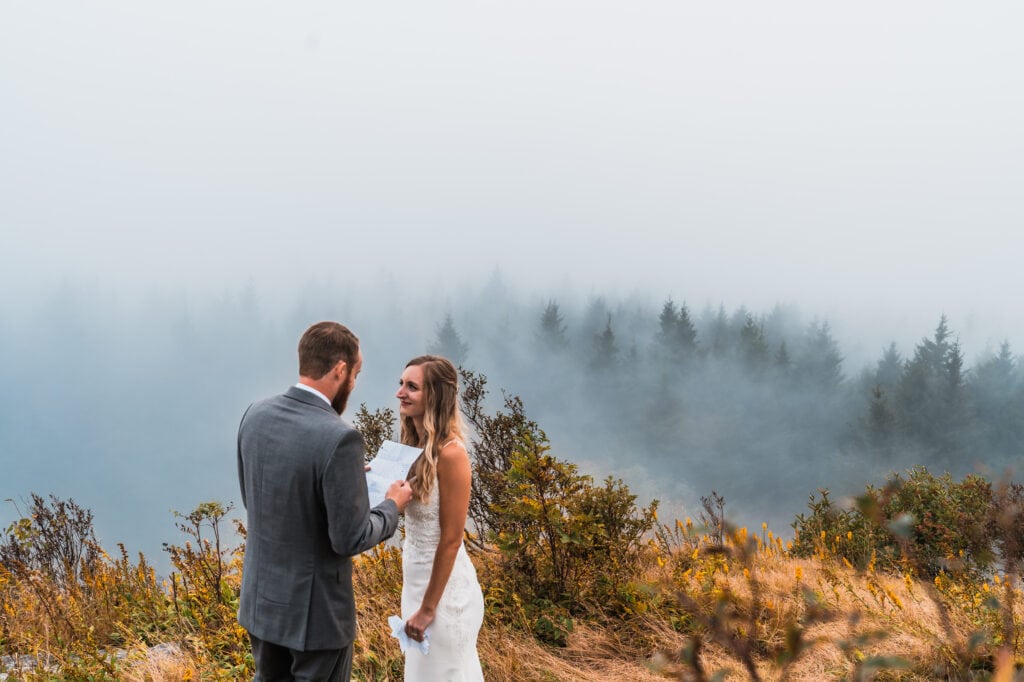
The Three Ways Most Elopements Actually Work
Once you start thinking about your elopement as an experience—not just a location—things begin to simplify.
And not “simple” in the sense of cutting things out or making the day smaller…
But simpler in the sense of finally having a clear path forward, instead of trying to piece everything together on your own.
Because while every elopement we design is unique, most of them tend to follow a few underlying structures.
These aren’t rigid templates—and in reality, most days are a blend of these approaches.
But they’re helpful as a starting point. A way to move from a completely open-ended idea… to something you can actually begin to picture.
1. Airbnb + Adventure
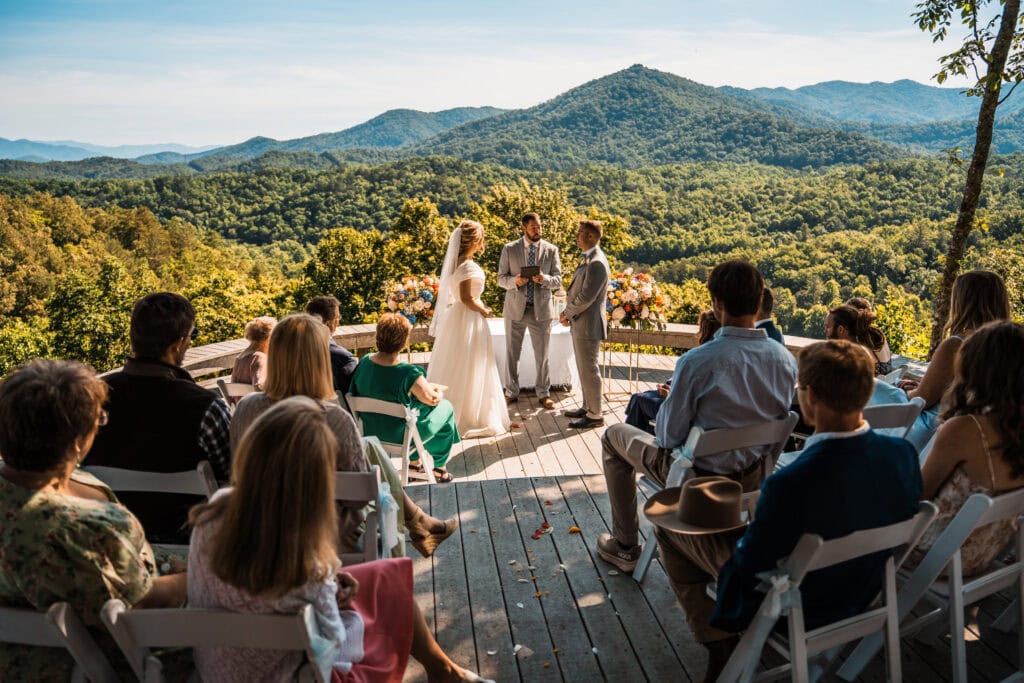
This is one of the most versatile and balanced approaches—especially for couples who want both meaningful time with loved ones and space for just the two of them.
A private Airbnb becomes your home base for:
- getting ready
- spending time with guests in a relaxed, comfortable setting
- sometimes hosting your ceremony
In other cases, the ceremony may happen at a separate outdoor location—depending on the experience you’re creating and what works best for your group.
Then, at some point in the day, you step away—just the two of you—and head out for an adventure.
That might look like:
- hiking to a mountaintop
- exploring a waterfall
- catching sunset at a scenic overlook
This approach works well because it separates the parts of the day that function best with a group… from the parts that are more meaningful when it’s just the two of you.
Instead of trying to make everything happen in one place, each part of the day is designed to support what it’s meant to be.
Thinking about using an Airbnb? Read this first:
Not every Airbnb actually works as a wedding venue—and the differences aren’t always obvious.
Read our full guide on how to plan an Airbnb wedding that actually works (what to look for, what to avoid, and how to choose the right property)
2. Small Group + Accessible Outdoor Location

This approach works best for couples who want an outdoor, nature-based experience with guests—and whose group is physically able to be part of that.
The day centers around a location that can realistically support everyone, which usually means choosing a place that is:
- easy to access (or a short, manageable walk)
- logistically straightforward
- able to accommodate your group comfortably
- not limited by tight parking or heavy foot traffic
This might be:
- a scenic viewpoint with space to gather
- a location just off the road with expansive views
- a short walk to a beautiful overlook
The reality is that once you factor in guest comfort, accessibility, and logistics, the number of viable locations narrows quickly.
There’s often a tradeoff between accessibility and seclusion.
But when the right location is chosen—and the day is planned intentionally—it creates a shared experience that feels meaningful, natural, and well-supported without becoming complicated or stressful for everyone involved.
3. Couple-Only Experience
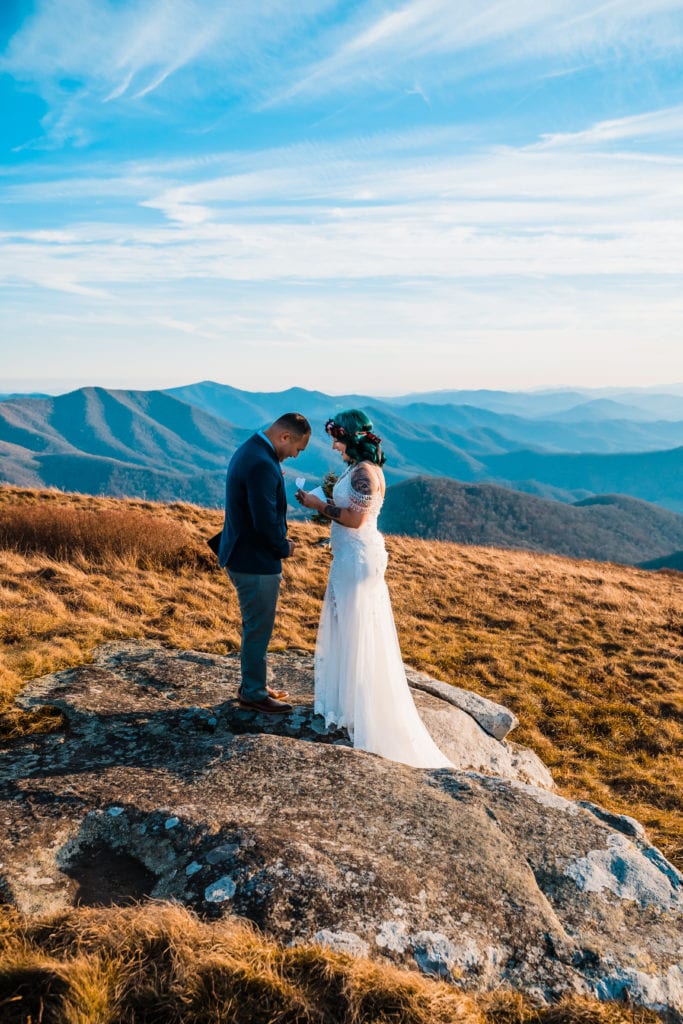
This is the most flexible and immersive option.
Without the constraints of a group, your day can unfold entirely around the two of you—without needing to coordinate timing, logistics, or expectations for anyone else.
That opens up a completely different kind of experience.
You’re free to:
- explore multiple locations
- move at your own pace
- follow the light instead of a schedule
- build in space for spontaneous, unplanned moments
It might look like grabbing coffee on the way to a trailhead, taking your time hiking to a viewpoint, or simply sitting together and taking everything in before deciding when the moment feels right to say your vows.
There’s no pressure to move things along.
No need to structure the day around anyone else.
Just space to be present, to connect, and to experience it fully together.
Because of that, this approach often feels the least structured—and the most like a true reflection of your relationship.
If you’re starting to see what feels right for you, the next step is to begin shaping your own day:
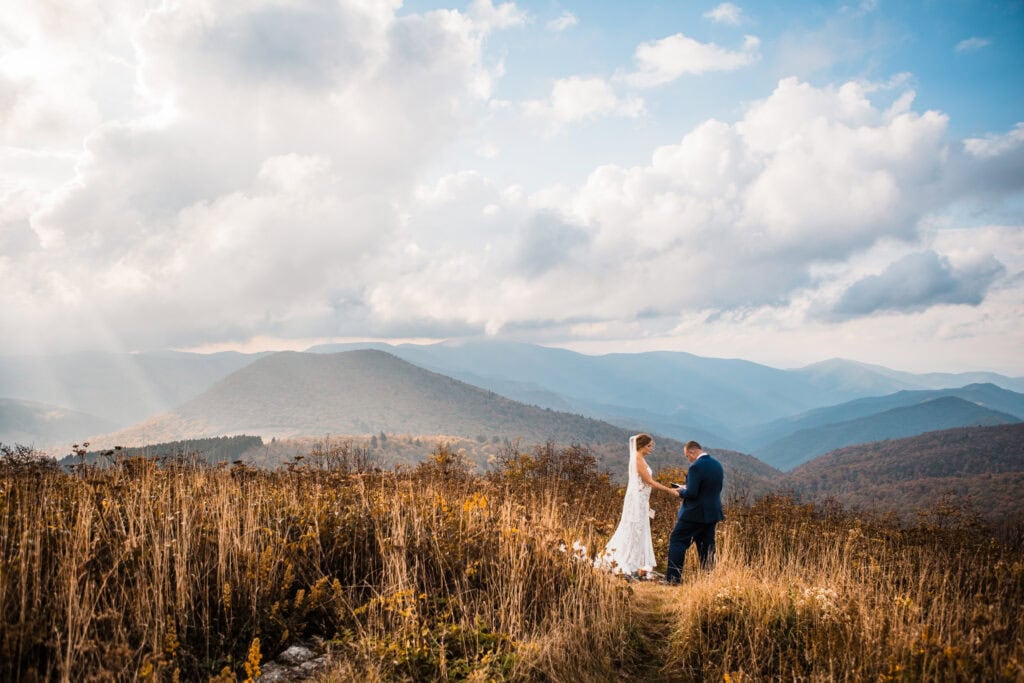
None of these approaches are “better” than the others.
They’re simply different ways of shaping your day—based on what matters most to you, how you want it to feel, and what kind of experience you want to create.
And in many cases, the most meaningful days are a blend of these—intentionally designed to reflect both your vision and what’s actually possible.
Why This Matters More Than You Think
Elopements are often chosen to avoid the stress and rigidity of traditional weddings.
But without the right approach to planning, it’s surprisingly easy to unknowingly recreate those same pressures—just in a different setting.
We’ve seen couples spend months researching locations, trying to piece everything together on their own… only to end up with a day that feels more rushed, more complicated, and less meaningful than they expected.
Not because they chose the wrong place.
But because the day wasn’t designed to support the experience they actually wanted.
This is the part most couples don’t see coming.
They assume that if they keep researching, keep comparing options, and keep trying to make everything fit together… it will eventually click.
But without understanding how all of these pieces work together, it’s easy to build a day that looks right on paper—but doesn’t feel right when you’re actually living it.
And that’s the risk of missing what we’ve just walked through.
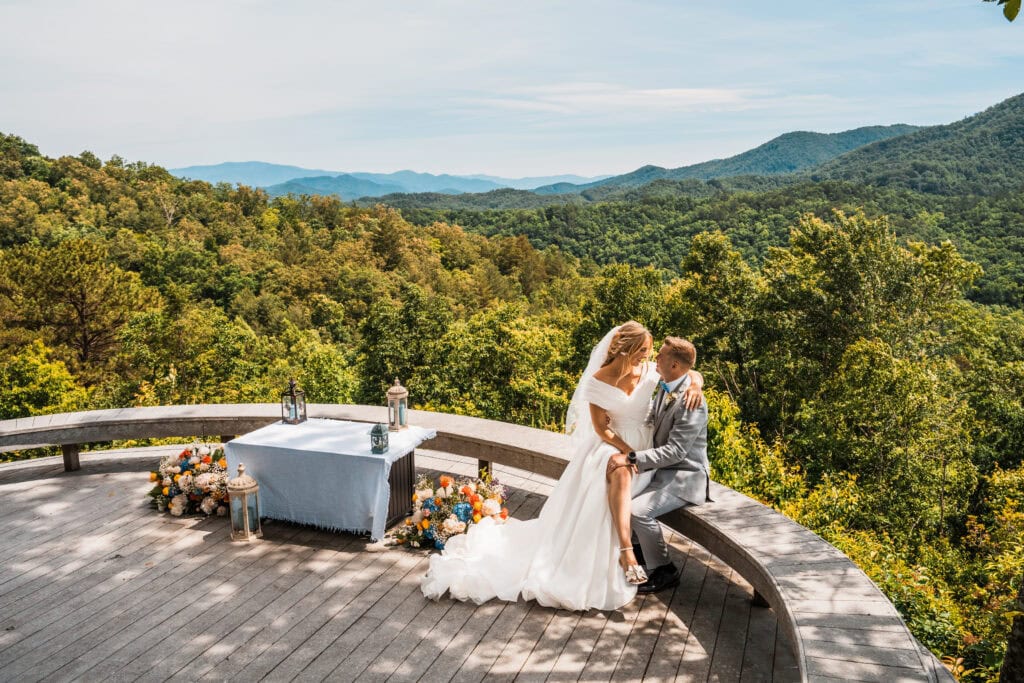
When your elopement is intentionally designed, everything shifts:
- you feel relaxed instead of rushed
- you’re present instead of managing logistics or hosting
- you’re not forcing moments—you’re moving through a day that flows naturally
- your time with each other and your people feels intentional, not divided or pressured
There’s space to be fully yourselves.
Space to slow down.
Space to connect.
Space to experience the day instead of trying to keep up with it.
And that’s the difference between a day that simply looks beautiful…
…and one that you can actually get lost in.
A day where, even for a little while, everything else fades away—and you’re fully present with each other, creating something that feels real, meaningful, and entirely your own.

Katlynne & Josh’s day is a great example of how we help couples shape a meaningful experience around a specific place.
You don’t have to carry all of this alone

Mark & Carolyn here! We design thoughtfully planned elopement experiences so couples can stay present, supported, and deeply connected… not stuck managing details.
How to Start Planning Your Elopement
If you’re just getting started and wondering how to elope, the goal isn’t to figure everything out all at once.
It’s to start in the right place.
Because if you don’t, it’s very easy to spend weeks—or even months—researching, second-guessing decisions, and trying to piece together a plan that feels right… but ultimately doesn’t come together the way you hoped.
Here’s a better way to begin:
1. Start with your priorities
Before you look at locations or logistics, get clear on what actually matters to you.
Not just what you want to do—but what you want this day to feel like.
When you look back on your wedding day years from now, how do you want to know you did it right?
What moments matter most?
What kind of experience are you trying to create together?
Most couples haven’t been asked these questions before.
But this is where everything starts.
Because without that clarity, it’s easy to default to what you’ve seen—or to make decisions that don’t actually support what you want most.
2. Define your constraints
Once you’re clear on your priorities, the next step is understanding what will shape what’s possible.
This includes:
- your guest count
- your planning window (how far out you’re planning)
- your budget
These aren’t limitations—they’re the framework that helps guide your decisions in a way that actually works in real life.
Guest count affects everything from location options to the overall feel of your day. In fact, guest count is one of the most important decisions you’ll mak, —and it shapes far more than most couples expect. We break this down in detail here:
How guest count shapes your elopement experience
Your planning window impacts availability—vendors, lodging, and even permits.
And your budget isn’t just a number—it’s a reflection of the kind of experience you’re able to create.
Most couples come into this without a clear sense of what things actually cost—and that’s completely normal.
The key is not trying to guess perfectly, but being honest about what you’re comfortable investing in an experience that reflects what matters most to you.
3. Then choose locations that support your vision
Only after you’ve clarified your priorities and constraints should you start choosing locations.
Not based on what looks best online…
But based on what actually supports the kind of experience you want to create.
Because the right location isn’t just beautiful.
It’s the one that works with your guest count, your timeline, your budget, and the overall feel you’re trying to create.
And when you start in this order, the process doesn’t feel scattered or overwhelming.
It starts to feel clear.
A Simple Step-by-Step Elopement Planning Process
Even though every elopement is unique, most couples move through a similar process when learning how to elope and planning their day.
Step 1: Clarify your vision
Start by getting clear on what you want your day to feel like and what matters most to you.
Step 2: Define your constraints
Set your guest count, planning window, and budget so you understand what’s realistically possible.
Step 3: Choose a location
Choose a place that supports your vision—not just one that looks good online.
Step 4: Secure your logistics
This includes permits, vendors, and lodging—all the behind-the-scenes pieces that make the day work.
Step 5: Design your timeline
Create a timeline that allows space for the experience to unfold naturally, instead of forcing everything into a schedule.
Step 6: Experience your day
Show up, be present, and actually live the experience you’ve created together.
And while this process sounds simple on paper, the details of how each step comes together—and how they all connect—is what matters. This is where the experience is truly made.

Where We Come In
By this point, you’ve probably started to see that planning an elopement isn’t just about finding a beautiful place.
It’s about understanding how all the pieces fit together—and designing a day that actually works the way you want it to feel.
That’s where we come in.
As a husband-and-wife team who has planned and photographed over 100 elopements, our role goes far beyond documenting your day.
We don’t just help you plan your elopement—we help you design it from the ground up.
Before we ever start talking about specific locations, we help you get clear on your vision:
- what you want this day to feel like
- how you want to experience it together
- how your personalities, your people, and your priorities shape the structure of the day
From there, we build everything around that foundation:
- identifying locations that truly fit your vision, guest count, and experience—even if that means guiding you somewhere different than where you first started
- drawing on deep experience across the Blue Ridge Mountains, the Southeast, and beyond to recommend places that actually work in real life
- shaping a timeline that feels natural instead of rushed
- guiding you through decisions you didn’t even know needed to be made
- and bringing all of those pieces together into something that feels cohesive, intentional, and fully your own
Because at the end of the day, this isn’t about fitting your plans into a pre-built structure.
It’s about creating something that’s designed specifically for you—so that when the day comes, you’re not managing it…
you’re fully in it.
Present. Connected. And able to actually live the experience you’ve been imagining.
Explore our elopement experience and packages

Get Started Planning Your Elopement
We’re ready to help you bring your vision to life. Reach out to us to start planning the elopement of your dreams!